
Medical Social Workers are a Valuable Resource
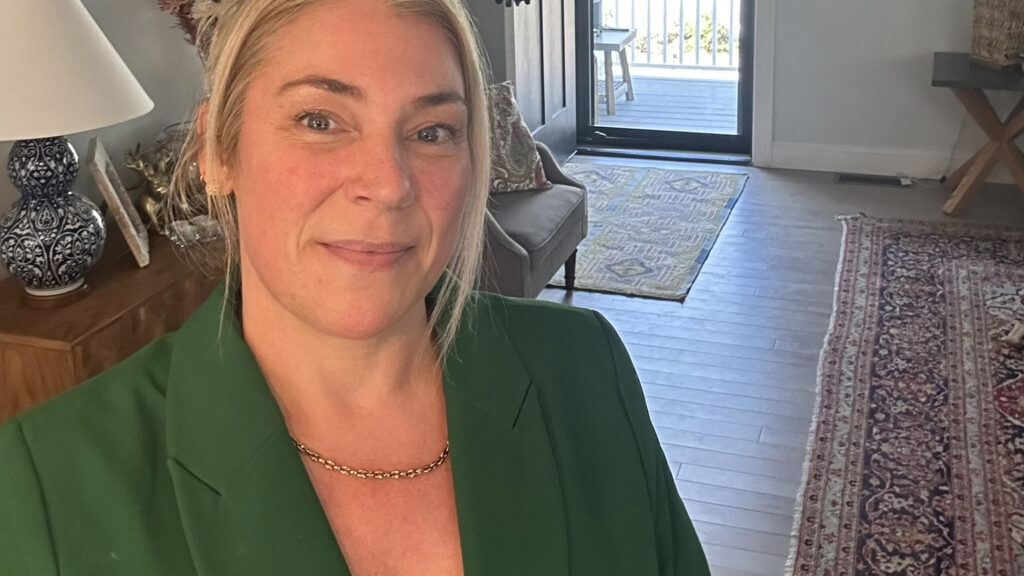
There are a range of opportunities people have after earning a master’s degree in social work such as working in schools, child welfare, or community outreach. One of our home care social workers, Rebecca, chose healthcare following time as a Child Protective Social Worker in Vermont.
“My mother was in the healthcare field as an administrator and she pushed me to apply for a hospital role,” Rebecca said. “It was personally rewarding, learning an entirely different field of social work. I’ve always had an interest in helping people during their most vulnerable time to navigate challenges when they cannot.”
Rebecca spent roughly 13 years at a north country hospital where she worked as an inpatient medical social worker. She had a wide range of responsibilities including managing complex discharge plans, arranging transfers, navigating Medicaid applications, and providing support to families in the most challenging of situations.
“The decision to leave that role came at the onset of the pandemic,” she said. “With young daughters at home, I needed to be there for them. As time passed, I realized I needed more – I wanted a career that would give me purpose, autonomy, and the ability to make a difference in people’s lives once again. That’s when the opportunity to join home care presented itself.”
Home Care
In home care, Rebecca found something deeply comforting in meeting people where they were in their recovery.
“It was their space, their home, and they were surrounded by family as they healed,” she said. “There’s something unique and special about that—the ability to help people recover in the warmth and comfort of their own surroundings.”
“Every day, I connect people with the resources they need, whether that’s navigating the healthcare system, applying for Medicaid, arranging for Meals on Wheels, or simply having a conversation about long-term care options” Rebecca added. “I strive to make their journey a little easier, to help them feel seen and heard, and to ensure they are not alone in facing life’s challenges.”
Advanced Illness Management
All of our clinicians strongly advocate for our patients including Rebecca. One of her newer responsibilities is to take a more active role in our Advanced Illness Management Program, which supports patients who are coping with difficult-to-manage medical situations, and new or worsening health symptoms. If patients meet specific criteria, hospice care may be an option. Rebecca feels her extensive hospital background helps give her a clearer understanding of end-of-life care available.
“I vividly remember a particular case—an older man with advanced dementia,” she said. “His wife was beside herself with the reality of her husband’s condition. She didn’t know what resources were available. I spent 45 minutes with her, discussing the benefits of hospice care, and as we spoke, tears welled up in her eyes—not just from the sadness of their situation, but from the relief of understanding that there was help available. It’s moments like these that remind me why I love this work.”
“Hospice care is often misunderstood,” she added. “Many think it’s about giving up, that once a patient enters hospice, there’s no hope left. But that’s not the case. Hospice is about comfort, dignity, and support for patients and their family members. It’s about a paradigm shift in the way we view end of life—a shift I work hard to communicate to families. The conversations around hospice care are delicate and require careful navigation. I’ve learned that when talking about hospice, it’s not about rushing decisions; it’s about helping people understand what’s available and what’s best for their unique situation.”
Guidance and Insight
Navigating the healthcare system can be challenging and our medical social workers are a valuable resource for our patients and their families.
“In this line of work, no two days are the same and that’s what keeps me motivated,” Rebecca said. “This journey has been more rewarding than I ever imagined, and it’s been a privilege to serve my community in this role.”
