
Living Fully, Every Day: A Story of Independence, Connection, and Hospice Care
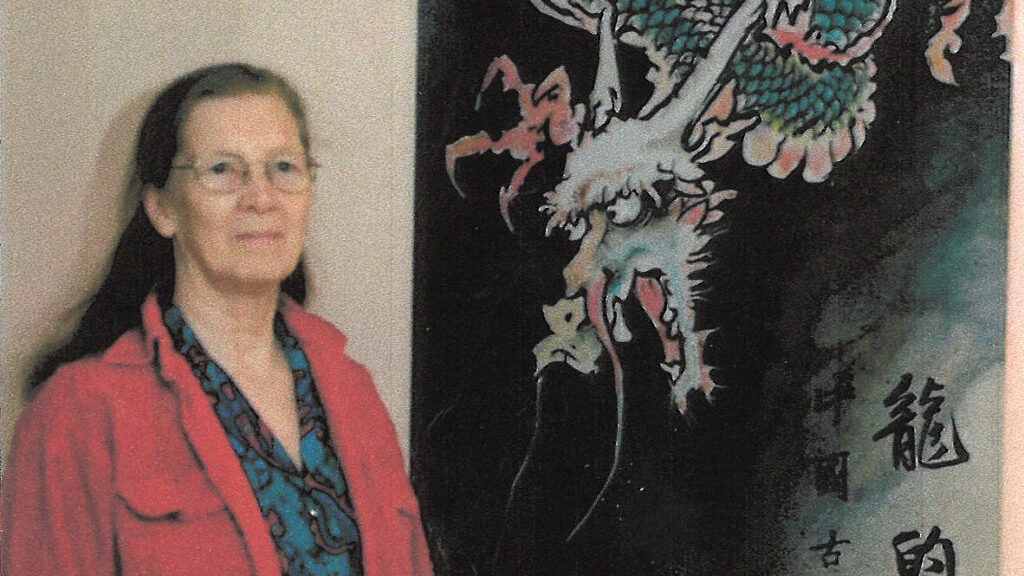
Living life fully means something different to everyone, especially for those receiving hospice care. It may be about finding comfort and peace in familiar surroundings. For others, it is about sharing meaningful moments with the people they love.
Ruth B., Concord, embodies what it means to live fully while receiving hospice care. She has been living with Stage 4 ovarian cancer for more than two years and has been receiving hospice services from Granite VNA since February 2024.
A common misconception about hospice is that it is only for the final days of life, but patients can receive hospice care for much longer. If a patient lives beyond six months, care can continue as long as a hospice physician or medical director recertifies that the patient remains eligible.
Ruth has not stopped living life on her own terms. She lives independently, connects regularly with her neighbors, and stays in touch with family and former students through phone calls, emails, and texts. Her days include simple but meaningful routines such as cooking, cleaning, reading, and stepping outside to collect her mail.
To say Ruth is technologically savvy is an understatement. She has become a trusted resource for her neighbors with computer questions, though her path to that role is anything but ordinary. She began her career studying genetics as a zoologist and later became a high school mathematics teacher. When her daughter graduated from high school, Ruth made a bold shift enrolling at Syracuse University and earning a master’s degree in computer science.
Her accomplishments are impressive for anyone, and even more so considering she was born in the 1940s, when women were often limited by societal expectations. Ruth never accepted those limits. A true Renaissance woman, she encouraged her students to think beyond traditional roles.
“I told girls they could become this or that or anything else,” she said. “They didn’t have to be a secretary, nurse, or teacher.”
In addition to helping neighbors with computer questions, Ruth often provides something less tangible but equally important: a space for honest conversation. While discussions about loss are often avoided, she has become a trusted presence for those who need it.
“Many people who live near me are here because their husbands have died,” she said. “There are people you don’t talk about it with. There are others who talk a lot with me because they know they can say things and I’m not going to get upset with them.”
Living with chronic fatigue and uncertainty, Ruth measures her days in small but telling ways. Her experience echoes a chapter from her past, recalling the long, restless nights she spent caring for her husband during his illness before his passing in 1995.
“I wake up tired, and I really feel like I’m at the end, but I don’t think it is the end because I’m still eating,” Ruth said. “This is like when I was taking care of my husband. He was ill with a respiratory illness for so long. You get a couple of hours of sleep and then you wake up.”
“I’m mostly in a good mood, and then there are times when I am thoroughly ticked off, so I try to avoid people and go read a book or do something else,” she added.
Spending time with Ruth is both grounding and uplifting. Her wit and honesty shine through in every conversation. When asked how she would like to be remembered, she first joked, “I wouldn’t.”
Then, more thoughtfully, she added, “I think the kids will remember me as being that crazy person. She let us be crazy at times and didn’t scream at us.”
Choosing hospice care is not about giving up hope. For many, like Ruth, it is about redefining what hope looks like. It becomes less about curing illness and more about preserving independence, nurturing relationships, and finding purpose in everyday moments.
Ruth’s story is a powerful reminder that living fully is not measured by the absence of illness, but by the presence of connection, curiosity, and authenticity. Through her resilience, humor, and willingness to remain engaged with the world around her, she shows that even in the face of uncertainty, life can remain rich with meaning.
Hospice care, at its core, helps make that possible supporting not just how people die, but how they continue to live.
