
Safe Driving in New England: What Every Driver Should Know
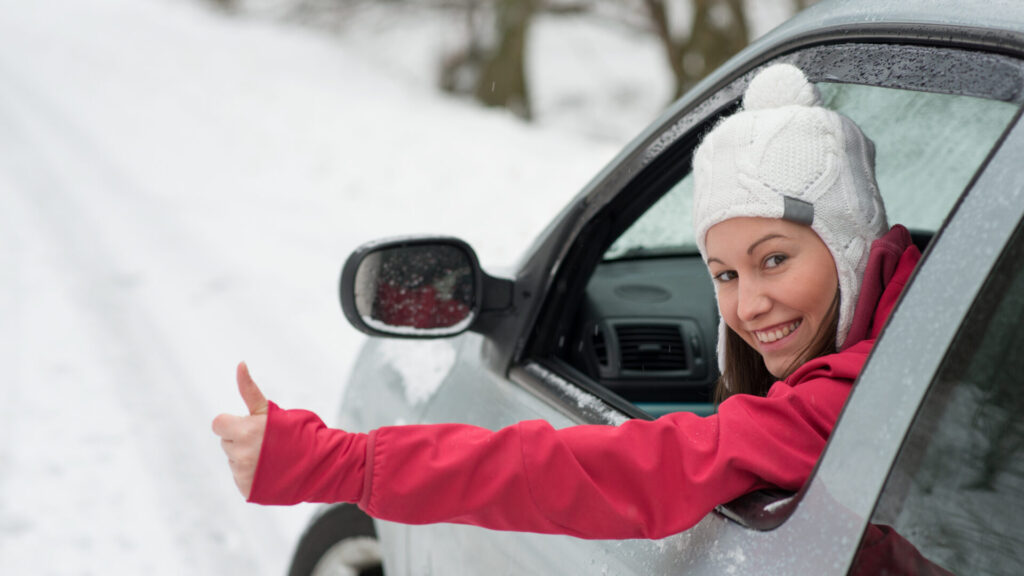
Winter in New England is beautiful—but it can also make driving unpredictable and dangerous. Snowstorms, icy roads, freezing rain, and rapidly changing weather conditions require drivers to be prepared, patient, and alert. Whether you’re commuting to work or heading out for holiday travel, following these winter driving safety tips can help keep you and others safe on the road.
Prepare Before You Go
Winter safety starts before you even turn the key. Make sure your vehicle is winter-ready by checking tires, brakes, windshield wipers, and fluids (especially antifreeze and windshield washer fluid). Keep your gas tank at least half full to prevent fuel line freeze-ups and to ensure you have heat if you become stranded.
It’s also wise to keep an emergency kit in your car that includes a flashlight, blankets, gloves, a hat, ice scraper, jumper cables, sand or kitty litter for traction, and a phone charger.
Slow Down and Increase Following Distance
Speed limits are set for ideal conditions, not snow-covered or icy roads. In winter weather, reduce your speed and allow extra time to reach your destination. Increase your following distance to at least 6–8 seconds to give yourself enough time to react if traffic suddenly stops.
Remember: bridges, overpasses, and shaded areas freeze first and can be especially slick.
Be Gentle with Controls
Sudden movements can cause skidding. Accelerate slowly, brake gently, and turn the steering wheel smoothly. If your vehicle begins to skid, stay calm, ease off the pedals, and steer gently in the direction you want the front of the car to go.
If your vehicle has anti-lock brakes (ABS), apply steady pressure and let the system do the work.
Clear Snow and Ice Completely
Before driving, clear all snow and ice from your windshield, windows, mirrors, headlights, and roof. Snow left on the roof can slide onto your windshield or fly off and hit other vehicles, creating serious hazards.
Know When Not to Drive
Monitor local weather alerts and road conditions and always let someone know your route and expected arrival time when traveling in winter storms.
Stay Calm and Be Patient
Winter driving often means delays, traffic, and slower travel. Stay patient, courteous, and focused. Aggressive driving has no place on icy roads.
