
Staying Active and Engaged for Life
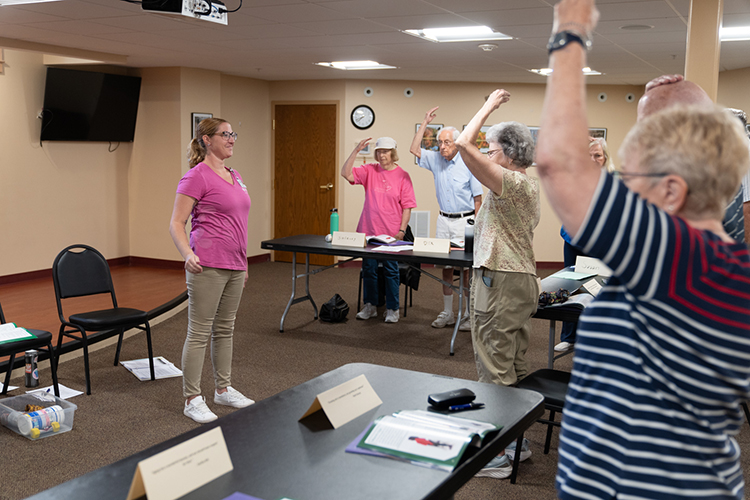
Aging is a natural part of life, but how we age can make all the difference. Active aging is not just about staying physically fit, it’s about nurturing our minds, maintaining social ties, and continuing to do the things we love.
Physical activity is not only good for our bodies, but also essential to our overall well-being. Regular movement helps us maintain strength, balance, and flexibility, reducing the risk of falls and chronic conditions like heart disease and diabetes. But the benefits go far beyond physical health.
Engaging regularly with others is linked to mental sharpness, emotional resilience, and a sense of purpose. Whether it’s learning something new, volunteering, or simply spending time with family and friends, these interactions help keep our minds alert and our spirits high.
Physical wellness, mental and emotional health, and social engagement all contribute to active aging, allowing us to live life on our own terms for as long as possible.
Movement & nutrition are good medicine
Gentle exercise like walking, stretching, and chair yoga can improve circulation, boost energy, and ease joint pain. Nutrition also plays a key role in our health, but older adults, especially those who live alone, sometimes struggle to prepare nutritious meals. Preparing and eating balanced meals rich in fruits, vegetables, and lean proteins fuels your body and supports healing. Preparing and sharing a meal with others or joining a friend for lunch at a local café are even better!
Flex your brain
Keeping our brains active is just as important as moving our bodies. Reading, doing crossword puzzles and brain teasers, and learning something new all stimulate and strengthen cognitive function. Mindfulness practices such as meditation or journaling can reduce stress and improve our mood, and staying emotionally connected through family, friends, faith, or hobbies can nurture our spirit and strengthen our resilience.
Keep it social
Loneliness and isolation negatively affect our health as much as physical inactivity and emotional disconnection. That’s why staying socially connected is vital to our wellbeing. Even small interactions can make a big difference. Many older adults find fulfillment in volunteering or mentoring others, which can be a meaningful way to stay involved and give back. Others find joy and connection in participating in group outings through their local senior centers, attending community events, or simply calling a friend.
Home health’s role in active aging
While all this may seem overwhelming, the good news is you don’t have to do it alone.
In addition to home-based health care and hospice services, Granite VNA offers a wide array of community education and wellness programs that promote balance and mobility, strengthen cognitive functioning, encourage social interaction and more. The full calendar of programs is available on our website at granitevna.org/calendar.
We are committed to helping older adults in our community live their best lives and thrive – not just survive.
